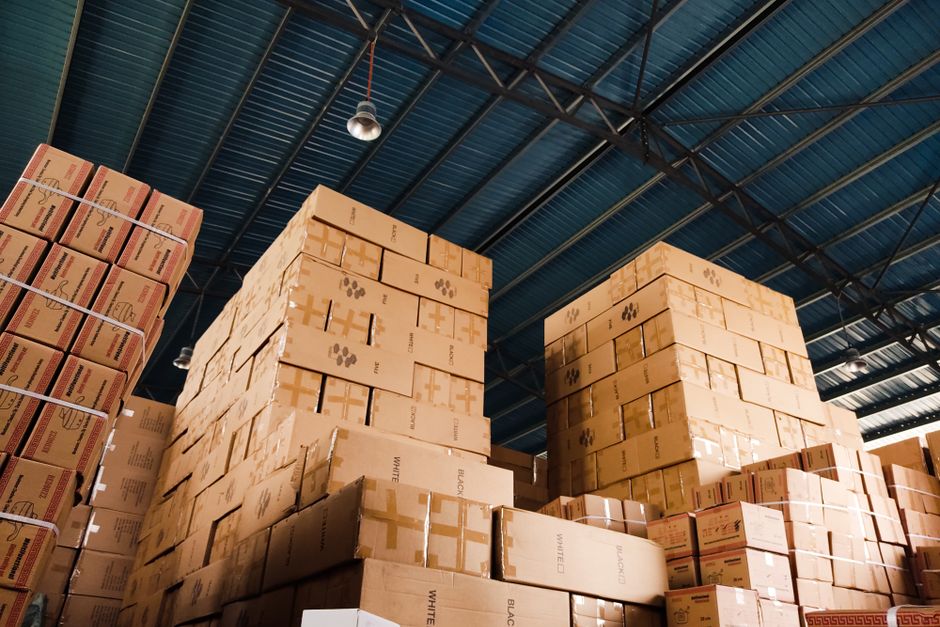
The first liquidation pallet I bought was a "customer returns, general merchandise" lot with a manifest that listed 212 items and a retail value north of $6,000. I paid $740 plus $310 in freight. When it arrived, about 60 of the items were sellable as described, another 70 were sellable after cleaning or repackaging, and the rest were broken, incomplete, or not worth the listing time. I made money on that pallet, barely, and only because I spent most of a month processing it.
That is a typical first pallet. Not a disaster, not the windfall the listing implied. The resellers who do well with liquidation inventory are not the ones who find a secret source. They are the ones who learned how to evaluate a lot before bidding and how to process it efficiently after it lands. This guide covers both.
What a Liquidation Pallet Actually Is
Retailers and online marketplaces end up with goods they cannot sell at full price: customer returns, overstock, shelf pulls, damaged packaging, discontinued lines. They sell this inventory in bulk to liquidators, who sort it (sometimes) and resell it by the pallet or truckload through auction sites and direct sales.
The categories matter, because they describe how much of the lot you can expect to sell:
- Overstock or shelf pulls: new, unsold goods. Highest sellable percentage, highest price per pallet, lowest margin.
- Customer returns: the big category. Some items are unopened, some used once, some broken. Expect a wide spread and plan to test everything.
- Salvage or damaged: sold as not working or heavily damaged. Only worth it if you repair, part out, or sell for parts.
- Unmanifested or "mystery" lots: no item list. Cheapest per pallet, and the one most likely to end badly for a new buyer.
Reading a Manifest Like a Buyer, Not a Browser
A manifest is the item list the liquidator provides. Learning to read one critically is the most valuable skill in this business.
Ignore the retail value
The headline number is the sum of original retail prices. You will not sell anything at retail, and some of what is listed will not sell at all. I work from a resale estimate instead: for each line, what would this item realistically bring on the marketplace I sell on, in the condition I expect. For returns, I assume 40 to 60 percent of items are sellable as described and price the rest at parts or zero.
Look for concentration
A manifest where three items account for most of the value is a bet on those three items. If they arrive broken, the pallet is a loss. A manifest where value is spread across many mid-priced items is more forgiving.
Check the item count against the weight
Pallet weight is usually listed. If 200 items weigh 180 pounds, you are looking at small goods: accessories, cables, cosmetics, apparel. If 40 items weigh 600 pounds, think small appliances or furniture, with the shipping, storage, and breakage that come with them.
Research the categories you do not know
If the manifest is heavy in a category you have never sold, look it up before bidding. Some categories (open-box cosmetics, certain children's products, recalled items) have resale restrictions on major marketplaces. A pallet full of items you cannot legally list is not inventory.
The Real Cost of a Pallet
New buyers budget for the hammer price. Experienced buyers budget for all of this:
- Hammer price plus the buyer's premium, which on auction sites is often 10 to 15 percent.
- Freight. Pallet shipping from a liquidation warehouse to a residential address with a liftgate commonly runs several hundred dollars and depends heavily on distance. Get the quote before you bid, not after.
- Your time. Unpacking, testing, cleaning, photographing, and listing 200 items is a lot of hours. Put a number on your hour and multiply.
- Supplies. Returns often arrive without retail packaging. Bags, boxes, and labels to make items presentable.
- Storage. A pallet takes space for weeks. If you are renting a unit, that is a monthly cost against the lot.
- Disposal. Some fraction is trash. Bulky trash costs money to get rid of in many areas.
My rule now: the hammer price plus premium plus freight should not exceed one third of my realistic resale estimate for the lot. That leaves room for the unsellable third and for my time. If the auction climbs past that, I let it go. There will be another pallet tomorrow.
Where to Buy, and What to Watch For
Liquidators sell through their own marketplaces, through general auction sites, and sometimes directly. Rather than recommend sources that change every year, here is how to evaluate any seller:
- Do they manifest their lots? A seller who never provides item lists is asking you to gamble.
- How specific is the condition grading? "Customer returns" tells you less than "tested working" or "untested."
- What is the shipping arrangement? Some sellers include freight, some quote it, some leave it to you. Compare total landed cost, not hammer price.
- What do other buyers say? Reseller communities talk about liquidators constantly. A pattern of complaints about manifests not matching contents is disqualifying.
- Can you pick up locally? If a liquidation warehouse is within driving distance, local pickup removes the largest variable cost and lets you see lots in person.
Pallets are not the only bulk source. Storage unit auctions and estate buyouts have different risk profiles, and for many resellers a good thrift route produces better margins with far less capital at risk. Pallets make sense when you have the space, the time, and the cash to absorb a bad one.
Processing a Pallet After It Lands
This is where money is made or lost. A pallet processed in a week is inventory; a pallet processed over three months is a pile.
Day one: sort, do not list
Unpack everything onto tables or shelves. Sort into four groups: sellable as-is, sellable after work (cleaning, testing, repackaging), parts or bundle candidates, and trash. Do not stop to list anything. Sorting first tells you what the pallet is actually worth and sets the order of work.
Record the lot as one source
Every item from this pallet shares a cost basis: the total landed cost divided across the sellable items. Record the pallet as a single origin in your inventory system so that every item from it is tagged, and when the last one sells you can see whether the lot made money. The profit tracking post explains why this per-source view matters more than your monthly sales total.
Test before you photograph
For anything electronic or mechanical, test it. Plug it in, pair it, run it. An item listed as working that arrives broken costs you the sale, the return shipping, and a review. Testing takes minutes; the return takes weeks.
Capture in batches
With 100-plus sellable items, listing one at a time will take a month. Photograph the whole sellable group in one or two sessions with the same setup, then write or review descriptions in a separate session. A photo-first intake workflow was built for exactly this situation: shoot everything, let the titles and descriptions get drafted, review and activate in bulk.
Bundle the small stuff
Twenty phone cases are twenty listings nobody wants to write. Five lots of four cases each, sold as bundles, are five listings that move. Low-value items from a pallet are almost always better bundled, sold locally, or sent to a live auction as box lots than listed individually.
Set a deadline for the leftovers
Whatever has not sold 60 days after the pallet landed gets repriced, bundled, donated, or thrown out. Pallet inventory that lingers eats the storage and attention you need for the next lot.
Listing Returns Honestly
Customer returns have a story, and buyers can tell when it is being hidden. "New, open box" means the box was opened and everything is present. "Used, tested working" means you tested it. "Missing power cord" means the buyer needs to supply one, and you priced accordingly. The returns and refunds post covers the policy side; the listing side is simply to describe what you see and what you tested. Honest condition notes are what keep a returns pallet from generating a second generation of returns.
Should You Buy a Pallet?
Buy one if:
- You have space to unpack and sort 200 items without disrupting your existing operation.
- You can afford to lose the entire cost of the pallet without it hurting.
- You have a week of processing time available soon after delivery.
- You already sell in the categories the manifest is heavy in.
Wait if any of those is not true. There is no shortage of pallets, and the sellers who thrive with liquidation inventory are the ones who bought their first one when they were ready to process it, not when they were excited by a manifest.
Start with one, manifested, in a category you know, within a driving distance you can manage. Track it as its own source from unpacking to the last sale. If the numbers work, you will know exactly why, and the second pallet will be a decision instead of a gamble.