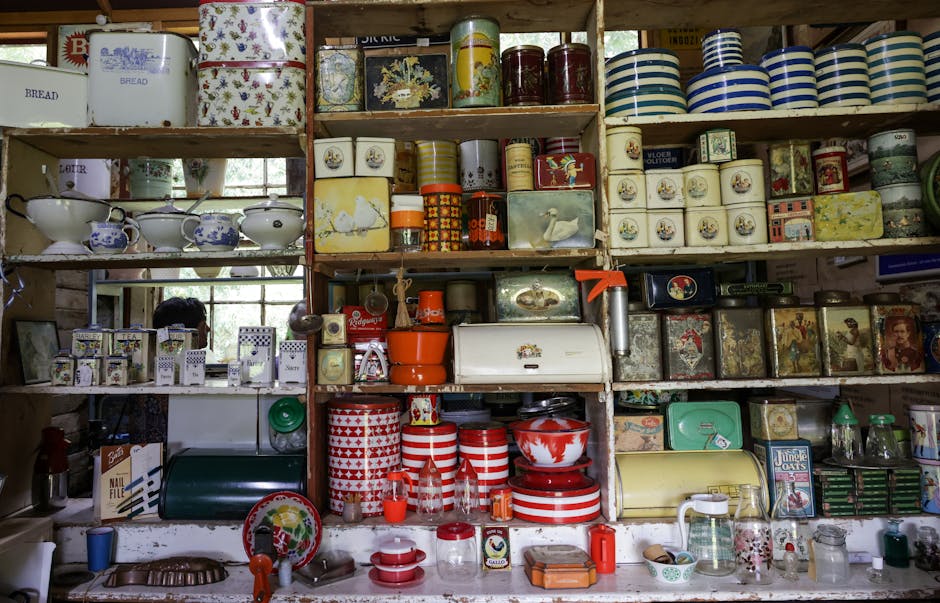
Last summer I sold a set of four Pyrex Primary Colors mixing bowls to a woman in Ohio. Nice sale — $180 plus shipping. She left a five-star review, and I figured that was the end of it. Three weeks later she messaged me asking if I ever came across Pyrex Butterprint pieces. I happened to have a Butterprint casserole dish I hadn't listed yet. Sold it to her for $65, no fees on the relisting since she bought direct. Two months after that, she bought a turquoise Pyrex fridgie set for $95.
That single customer has now spent over $340 with me across five transactions. And the kicker? After that first sale, I spent almost nothing to earn her repeat business. No advertising, no promoted listings, no algorithm hoping. Just a few small touches that made her remember my shop when she wanted more vintage Pyrex.
Most resellers obsess over finding new customers. New listings, new platforms, new marketing tactics. But the math overwhelmingly favors keeping the customers you already have.
The Real Cost of a New Customer vs. a Repeat One
Let's get specific. On eBay, if you're running promoted listings at the average 8-12% ad rate, you're paying $8-$12 per $100 in sales just to get visibility. Add in the 13.25% final value fee, and you're giving up over 20% of every sale to reach a stranger. On Etsy, between the 6.5% transaction fee, 15% offsite ads fee (if applicable), and listing fees, the cost of acquiring a new buyer is baked into every transaction.
Now compare that to a repeat buyer who messages you directly, buys from your standalone website, or purchases through a platform where you've already built a relationship. Your fees drop dramatically. On many platforms, if a buyer comes to you directly — not through search — you can avoid promoted listing fees entirely. That's an instant 8-12% margin improvement.
Industry data says acquiring a new customer costs five to seven times more than retaining an existing one. In reselling, I'd argue it's even higher because our "advertising" is often the platform fees themselves.
The Thank-You Note: Still the Cheapest Marketing That Works
I know, I know. You've heard this one before. But here's the thing — I track this stuff, and handwritten thank-you notes genuinely move the needle.
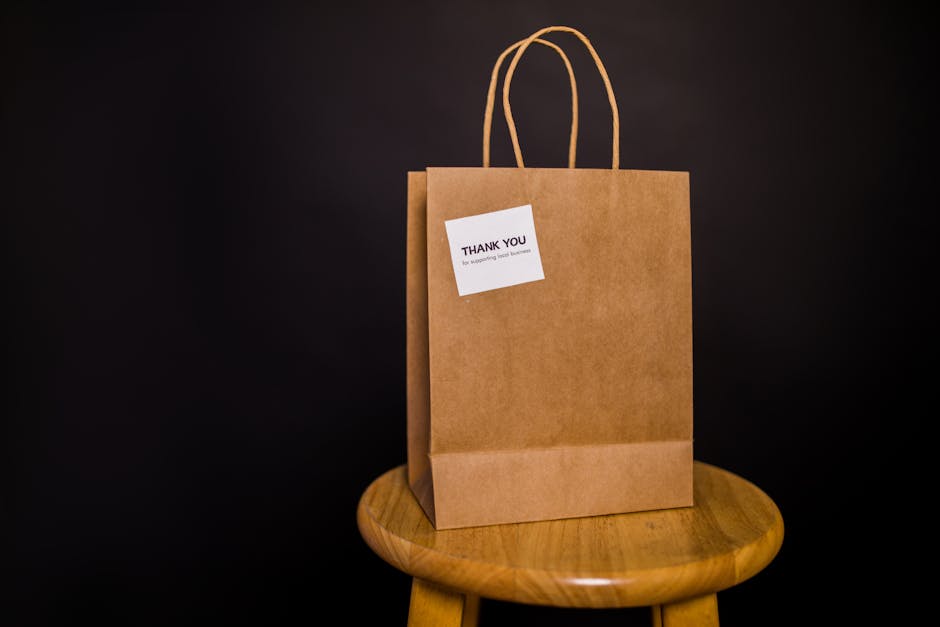
I started including a small handwritten note in every package about two years ago. Nothing fancy. A 3x5 index card that says something like: "Thanks for your order, Sarah! I hope you love the McCoy planter. I come across similar pieces pretty often — feel free to reach out anytime. —Mike" I buy index cards in bulk (500 for about $6) and it takes maybe 45 seconds per note.
In the six months before I started doing this, my repeat buyer rate was around 4%. In the six months after, it climbed to about 11%. That's not a scientific study, and there were other variables, but the correlation is hard to ignore. Other resellers I know report similar bumps — anywhere from doubling to tripling their repeat rate just from including a personal note.
What to Include in Your Note
- Use their first name. It takes two seconds to check the shipping label. "Dear Customer" defeats the entire purpose.
- Mention the specific item. "Hope you enjoy the Fenton hobnail vase" shows you actually care about what you sold, not just that you sold something.
- Include a soft invitation to return. "I find pieces like this regularly" or "Let me know if you're looking for anything specific" plants a seed without being pushy.
- Sign your actual name. Not your store name, not your eBay handle. Your name. People buy from people.
Business Cards: Your $20 Investment That Pays for Itself
I include a simple business card in every package. Vistaprint runs sales constantly — I got 500 cards for $18 last time. The card has my shop name, my website URL, my email, and a one-liner: "Vintage & Antique Finds — New Items Weekly."
Here's what I've learned about business cards in packages:
Don't put your eBay store link on the card. Put your own website, your Instagram, your email — anything that takes them OFF the platform where you're paying fees. The whole point is to build a direct relationship. If they want to find you on eBay again, they already know how.
I also drop business cards at every estate sale, flea market, and antique mall I visit. Not aggressively — I leave a few by the register if the owner is okay with it, or hand one to someone who compliments a piece I'm looking at. It costs pennies and has generated real sales. A guy at a flea market in Lancaster called me six months later asking if I had any Roseville pottery. I did. He bought $400 worth.
Packing Quality Speaks Louder Than You Think
This one doesn't get talked about enough. How you pack an item directly affects whether someone buys from you again.
I sold a depression glass candy dish — beautiful pink, no chips, about a $45 item. I wrapped it in three layers of bubble wrap, used packing peanuts, double-boxed it, and taped every seam. The buyer messaged me after delivery saying it was the best-packed item she'd ever received online. She's now bought from me four times.
Contrast that with a seller I bought from personally. Ordered a Fiestaware disc pitcher — a $90 piece — and it arrived wrapped in a single layer of newspaper inside a too-big box with no padding. It survived by pure luck. I will never buy from that seller again, and I'm sure I'm not the only one.
Packing Touches That Build Loyalty
- Use clean materials. Recycling boxes is smart and economical — USPS Business also offers free Priority Mail boxes that look professional, but remove old labels and tape. A box covered in five layers of crossed-out shipping labels looks careless.
- Wrap fragile items in tissue paper before bubble wrap. It costs about $0.03 per sheet and makes the unboxing feel intentional, not chaotic.
- Use appropriately sized boxes. An item rattling around in an oversized box signals that you grabbed whatever was closest. It also increases breakage risk.
- Include a packing slip. It seems old-fashioned, but a printed packing slip with the item name, your shop info, and a thank-you line adds legitimacy. Most inventory tools, including APMTSales, can generate these automatically.
The Follow-Up Message: Timing Is Everything
About a week after delivery confirmation, I send a short follow-up message to buyers of items over $50. Something like: "Hi Sarah — just wanted to make sure the Pyrex bowls arrived safely and you're happy with everything. Thanks again for your purchase!"
I don't do this for every sale — that would be unsustainable and honestly a bit much. But for higher-value sales ($50+), it takes 30 seconds and accomplishes several things at once. It shows you care beyond the transaction. It gives them an easy opening to mention any issues before they leave negative feedback. And it puts your name back in their head right when they're handling the item and feeling good about it.
About 60% of people respond to these messages. Most just say thanks. But a surprising number — maybe 15-20% — ask something like "Do you have any more pieces like this?" or "Do you ever come across [specific item]?" Those conversations convert at an absurdly high rate.
Building a Simple Email or Contact List
This is where most resellers leave serious money on the table. You have all these buyers — people who have already proven they'll spend money on what you sell — and you're just hoping they stumble back to your listings someday.
Start collecting emails. This doesn't need to be complicated. I use a simple spreadsheet with columns for name, email, what they bought, and what categories they're interested in. When someone buys a piece of Fenton glass, they go in the "art glass" category. When I find more Fenton, I send a quick email to everyone on that list: "Hey, just picked up a few Fenton pieces at an estate sale this weekend. Happy to send photos before I list them if you're interested."
I have about 180 people on my contact list now. When I send one of these "early access" emails, I typically sell 2-4 items before they ever hit a public marketplace. No fees, no competition, no algorithm. Just direct sales to people who already trust me.
Ways to Collect Contacts (Without Being Creepy)
- Include your email on your business card and mention you send occasional updates about new finds.
- On your follow-up messages, ask "Would you like me to let you know when I find similar pieces?" Most people say yes.
- If you have a website, add a simple email signup. Even a basic "Join my mailing list for first dibs on new inventory" works.
- At in-person sales (flea markets, antique shows), keep a clipboard signup sheet. People who are physically holding your product and considering buying are very likely to give you their email.
Remembering Buyer Preferences
This is the secret weapon that separates the resellers who build a real business from the ones who are perpetually chasing the next one-off sale.
When that Ohio buyer told me she collected Pyrex Butterprint, I wrote it down. Not in my head — in my actual records. Now, every time I'm at an estate sale or thrift store and I spot a Butterprint piece, she's the first person I think of. I've texted her photos from estate sales before I even bought the item. "Found this Butterprint space saver — $12 at the sale. Want it for $35 shipped?" She almost always says yes.
I keep these preferences in my inventory tracking system alongside purchase history. Some people use a dedicated CRM, but honestly, a notes field on the customer record in whatever tool you use works fine. APMTSales lets me tag customers and add notes, which makes it easy to pull up everyone who collects a certain category when I find a big lot.
The real magic here is that you're not selling — you're helping. You're the person who finds things for them. That's a completely different relationship than "stranger who listed something on eBay that showed up in search results."
Loyalty Discounts: Small Margins, Big Returns
For buyers who've purchased three or more times, I offer a standing 10% discount on future purchases. I don't make a big production of it — I just mention it when they express interest in something. "Since you're a returning customer, I can do $45 instead of $50 on that."
Ten percent sounds like a lot when your margins are already tight. But think about what you're saving: no platform fees on direct sales (13-20% savings), no promoted listing costs (8-12% savings), no time spent creating a listing and optimizing it for search. That 10% discount is actually the most profitable sale you'll make all week.
Some resellers also do small freebies — throwing in a minor item with a larger purchase. I once included a $5 milk glass bud vase with a $120 Fenton basket order. The buyer was thrilled and told two friends about my shop. Both became customers. That $5 vase generated well over $500 in subsequent sales.
The Numbers That Actually Matter
Track your repeat buyer rate. Most selling platforms make this somewhat accessible in your sales data, or you can track it manually in a spreadsheet or through your inventory management system. Here's what the numbers look like in my business:
- Average first-time buyer transaction: $52
- Average repeat buyer transaction: $78 (they trust you, so they buy higher-value items)
- Repeat buyers as percentage of total customers: 14%
- Repeat buyers as percentage of total revenue: 31%
- Average number of transactions per repeat buyer: 3.4
- Lifetime value of a repeat buyer: $265 vs. $52 for one-timers
That last number is the one that should change how you think about every single interaction. Every buyer who walks away happy is potentially worth $265, not $52. Every buyer who gets a poorly packed item or no follow-up is potentially $265 walking out the door.
You don't need a sophisticated loyalty program or a marketing degree. A handwritten note, a business card, decent packing, a follow-up message, and a willingness to remember what your buyers collect. Total cost: maybe $0.50 per package and a few minutes of your time. The return on that investment is the best you'll find anywhere in this business.